Please don't hesitate to reach out to us whenever you need assistanco. Well make sure to respond to you promptly.
 lyang_huang@gadetin.com.cn
gadetin@gadetin.com.cn
 +86 136 7623 8313
 +86 153 3806 1804
 09:00 - 18:00
 No.2 Zhenglong 1st street, Dawang National Hi-tech Developmet Zone, Zhaoqing City, Guangdong, China
Developing a serum product requires more than selecting a popular ingredient or creating attractive packaging. A successful serum product needs careful planning, suitable formulation development, manufacturing expertise, and a reliable production partner.
Private label serum manufacturing allows skincare brands to create customized serum products under their own brand name while working with professional manufacturers for product development and production.
From ingredient selection and formula development to packaging design and final production, every stage influences the product quality, customer experience, and brand positioning.
For beauty brands, choosing the right private label serum manufacturer is an important step in turning a skincare concept into a market-ready product.
This guide explains the complete serum manufacturing process and the key factors brands should consider when developing private label serum products.
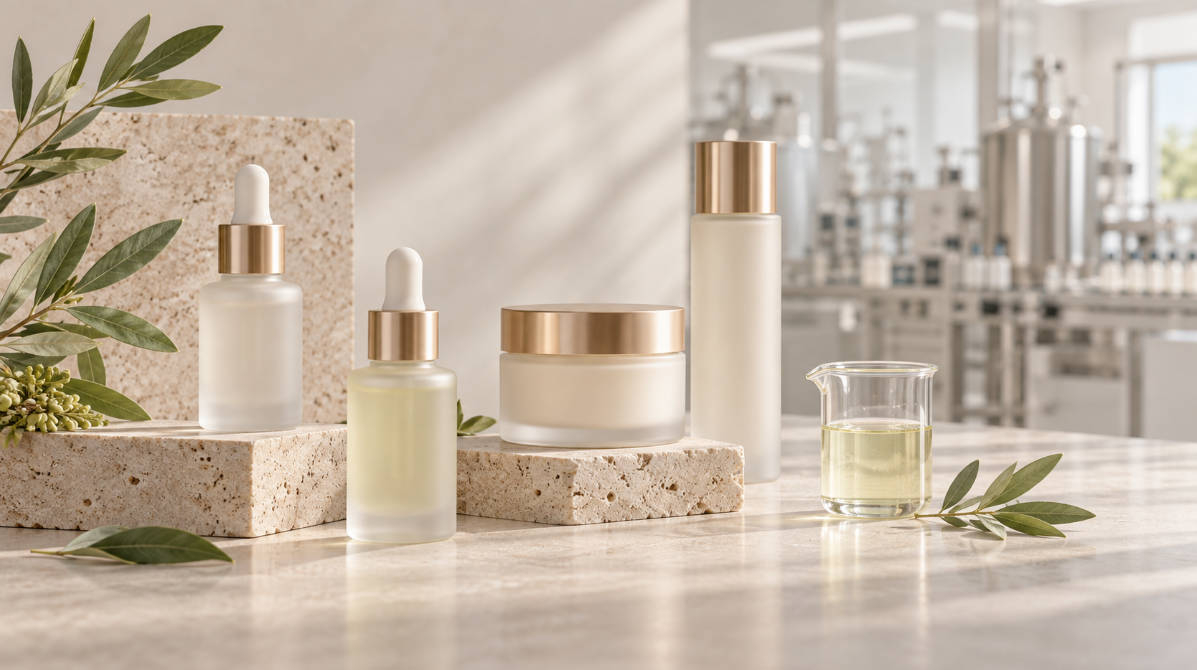
Private label serum manufacturing refers to a cooperation model where a skincare manufacturer produces serum products for a brand that sells them under its own identity.
Instead of building their own production facilities, brands can work with manufacturers that provide:
Product development support
Formula solutions
Sample production
Packaging coordination
Manufacturing services
This approach is commonly used by:
New skincare brands
Beauty startups
E-commerce sellers
Existing companies expanding product lines
A professional serum OEM manufacturer helps brands transform product ideas into finished skincare products while allowing companies to focus on branding and market development.
Serums are often considered important products in skincare lines because they are associated with targeted skincare solutions and specialized product concepts.
Compared with some basic skincare categories, serum development often requires more attention to:
Formula structure
Ingredient compatibility
Texture experience
Product positioning
Packaging selection
Brands may develop different serum categories based on their target customers and market strategy.
Common serum product directions include:
The right product direction depends on the brand’s customers, market positioning, and overall product strategy.
GADETIN provides skincare product manufacturing solutions for brands developing their own skincare products:
Developing a serum product usually involves several stages.
Each stage requires cooperation between the brand and manufacturer to ensure the final product matches the original concept.
Step 1: Define Serum Product Concept
Before development begins, brands should define:
Target customers
Product positioning
Expected product benefits
Market price range
Brand image
For example, a premium skincare brand may require different packaging and product experience compared with a mass-market beauty brand.
Clear product positioning helps the manufacturer provide more suitable development recommendations.
Step 2: Formula Development and Ingredient Selection
Formula development is one of the most important parts of serum manufacturing.
During this stage, brands and manufacturers discuss:
Product texture
Ingredient preferences
Product characteristics
Usage experience
Market requirements
A custom serum development project may involve adjusting formulas based on the brand’s product goals.
Common considerations include:
A professional serum manufacturer should help brands balance product concepts, formulation requirements, and manufacturing feasibility.
Step 3: Sample Development and Evaluation
Before mass production, brands usually evaluate product samples.
Sample evaluation may include:
Texture review
Appearance assessment
Fragrance evaluation
Packaging compatibility
User experience feedback
During this stage, communication between the brand and manufacturer is important.
Brands should provide clear feedback so manufacturers can make suitable adjustments.
Step 4: Packaging Selection and Customization
Packaging is an important part of serum product development.
Serum packaging needs to consider:
Product protection
Brand presentation
User convenience
Market positioning
Common serum packaging options include:
A suitable packaging solution should match both the formula requirements and brand identity.
Step 5: Production and Quality Management
After formula and packaging approval, production begins.
A professional manufacturing process usually includes:
Raw material preparation
Production procedures
Filling and packaging
Product inspection
Final preparation
Brands should maintain communication with manufacturers during production to confirm requirements.
Consistent production management helps private label brands maintain product quality and customer expectations.
Serum OEM vs Custom Serum Development: Understanding the Difference
When developing a serum product, brands usually choose between OEM production and custom serum development.
Although both approaches involve working with a manufacturer, the level of customization and brand involvement can be different.
OEM serum manufacturing can provide an efficient way for brands to launch products, while custom serum development offers more flexibility for companies seeking unique product concepts.
The suitable approach depends on:
Brand positioning
Product goals
Market requirements
Desired customization level
Formula Requirements
The formula is the foundation of a serum product.
Brands should consider:
Product purpose
Texture preference
Application experience
Ingredient direction
Target customer expectations
A clear product concept helps manufacturers provide more suitable solutions.
Ingredient Selection
Ingredient selection should match the product positioning and customer expectations.
Brands may consider:
Product category
Market preferences
Formula compatibility
Product experience
Manufacturers can help evaluate whether selected ingredients are suitable for production requirements.
Packaging Compatibility
Serum products often use specialized packaging because formula characteristics may vary.
Brands should evaluate:
Container material
Dispensing method
Product protection
Brand appearance
The packaging should support both product functionality and customer experience.
Production Requirements
Production considerations may include:
Product specifications
Packaging requirements
Batch consistency
Manufacturing procedures
Clear communication between brands and manufacturers helps create a smoother development process
Brands should consider whether the supplier can support the entire product development process.
Evaluate Product Development Capability
A suitable manufacturer should understand:
Skincare product concepts
Formula development
Sample evaluation
Product adjustments
Brands should ask:
Can you support custom serum development?
How does the sample approval process work?
What information is required before development begins?
Review Manufacturing Experience
Experience with serum products is an important consideration.
Brands should evaluate:
Supported product categories
Manufacturing process
Product development experience
Communication process
A manufacturer familiar with skincare products can better understand brand requirements.
Consider Customization Options
Different brands need different levels of customization.
The right manufacturing partner should match the brand’s current needs and future growth plans.
Evaluate Communication and Cooperation Process
Serum development involves multiple discussions between brands and manufacturers.
Important communication points include:
Product requirements
Formula feedback
Sample adjustments
Packaging confirmation
Production updates
A clear cooperation process helps reduce misunderstandings during development
Common Mistakes When Developing Private Label Serum Products
Starting Development Without Clear Product Positioning
Some brands begin product development before defining:
Target customers
Product category
Market positioning
Brand direction
Without clear positioning, product decisions may become inefficient.
Focusing Only on Ingredients
Ingredients are important, but a successful serum product also depends on:
User experience
Texture
Packaging
Brand communication
Market fit
A complete product strategy is more important than focusing on one individual element.
Choosing a Manufacturer Only Based on Price
Price is an important factor, but brands should also evaluate:
Development support
Manufacturing experience
Communication quality
Production management
A suitable supplier should provide overall value throughout the product development process.
Ignoring Packaging During Early Development
Packaging decisions should not be delayed until the final stage.
Packaging can influence:
Product stability
User experience
Brand image
Production planning
Discussing packaging early helps avoid unnecessary adjustments later.
GADETIN provides skincare manufacturing solutions for brands developing private label beauty products.
The company supports brands through different stages, including:
Product concept discussion
Skincare product development
Manufacturing coordination
Product customization
For companies looking to create serum products, choosing a manufacturing partner with development support can simplify the transition from concept to finished product.
Learn more about GADETIN skincare solutions:
Skincare Manufacturing Partner
Explore GADETIN skincare product categories:
Conclusion: Developing Serum Products with the Right Manufacturing Partner
Private label serum manufacturing involves multiple stages, from product planning and formula development to packaging selection and production management.
For skincare brands, the right manufacturing partner should provide more than production capacity.
A professional private label serum manufacturer should help brands manage product development, customization requirements, and manufacturing processes from concept to final product.
By understanding the development process and evaluating manufacturers carefully, brands can create serum products that better match their market positioning and customer expectations.
Working with an experienced skincare manufacturing partner allows brands to focus on building their identity while receiving professional production support.
FAQ
What does a private label serum manufacturer do?
A private label serum manufacturer develops and produces serum products for brands that sell products under their own brand name. Services may include product development, formula support, sample production, packaging coordination, and manufacturing.
How does the private label serum manufacturing process work?
The process usually includes product planning, formula development, sample evaluation, packaging selection, production preparation, manufacturing, and final quality management.
What is the difference between serum OEM and custom serum development?
Serum OEM usually focuses on producing products based on existing or adjusted formulas, while custom serum development involves deeper customization based on specific brand requirements.
How do I choose a serum OEM manufacturer for my skincare brand?
Brands should evaluate product development capability, manufacturing experience, customization options, quality management, and communication process before choosing a serum OEM manufacturer.
Can I create my own serum formula with a private label manufacturer?
Many manufacturers provide custom serum development support. Brands can discuss product goals, ingredient preferences, and formula requirements with the supplier during the development process.
What information should I provide before developing a private label serum?
Brands should prepare information including target customers, product positioning, expected product type, packaging preferences, and customization requirements.
With over 10 years of experience in the beauty and personal care industry, Ying Hong has supported 200+ brands and 6,000+ product developments. Her expertise spans custom formulation, regulatory compliance, and OEM/ODM manufacturing. She shares practical insights to help beauty brands navigate product development and manufacturing.

 English
 Français
 Русский язык
 español


