Please don't hesitate to reach out to us whenever you need assistanco. Well make sure to respond to you promptly.
 lyang_huang@gadetin.com.cn
gadetin@gadetin.com.cn
 +86 136 7623 8313
 +86 153 3806 1804
 09:00 - 18:00
 No.2 Zhenglong 1st street, Dawang National Hi-tech Developmet Zone, Zhaoqing City, Guangdong, China

The cost of private label skincare manufacturing depends on several factors, including product type, formula customization, ingredients, packaging, order quantity, testing requirements and supplier capabilities. There is no fixed price for private label skincare because manufacturing costs are determined by the level of customization and the production requirements of each brand. A simple private label skincare product using an existing formula may require a lower initial investment, while a fully customized skincare product involving new formulation development, premium ingredients and customized packaging requires a larger budget. For brands planning a skincare launch, understanding the cost structure before contacting manufacturers can help create a more realistic product strategy and avoid unexpected expenses. This guide explains the main factors that influence private label skincare cost and how brands can evaluate manufacturing budgets. Private label skincare manufacturing includes more than the final product itself. The total investment usually involves multiple stages: Product concept development Formula selection or customization Sample development Ingredient sourcing Packaging selection Manufacturing Quality control Documentation Shipping preparation Many new brands focus only on the unit price of the finished product. However, the real project cost includes both development investment and production expenses. A professional skincare manufacturing partner can help brands evaluate these factors before moving into production. The final manufacturing cost is usually influenced by several categories. The biggest cost difference usually comes from the level of customization a brand requires. A company launching a basic private label moisturizer and a company developing a unique anti-aging skincare system may have completely different manufacturing budgets. Different skincare products require different formulation approaches. For example: A simple cleanser may require fewer development steps compared with a complex serum containing multiple active ingredients. The product category should therefore be decided before estimating manufacturing costs. One of the biggest differences between private label projects is formula customization. There are generally three approaches. Suitable for brands that want: Faster market entry Lower development complexity Proven product concepts Simple customization Suitable when brands want to adjust: Texture Fragrance Ingredient selection Product positioning Suitable when brands need: Unique product concepts Specific sensory requirements Differentiated positioning Long-term product identity Custom formulation usually requires more development time because the manufacturer must transform a brand concept into a stable commercial formula. Ingredients represent an important part of skincare manufacturing costs. However, expensive ingredients do not automatically create a better product. Brands should consider: Formula purpose Consumer expectations Ingredient compatibility Product positioning Manufacturing feasibility Examples of factors that may influence ingredient costs: Specialty extracts Active ingredients Premium oils Advanced skincare ingredients Complex ingredient combinations A strong manufacturer helps brands balance product goals with commercial feasibility. The goal is not simply adding more ingredients. The goal is creating a formula that supports the product concept. Packaging is often underestimated during skincare budgeting. A skincare product includes more than the formula. Packaging decisions may involve: Bottle type Jar design Pump system Tube selection Printing Labeling Outer boxes Customized components For startups, standard packaging with customized branding may be a practical starting point. Established brands may invest more in packaging to strengthen market positioning. MOQ (Minimum Order Quantity) is another important factor. Manufacturers set MOQs because production involves: Raw material preparation Equipment setup Filling processes Packaging coordination Quality procedures A higher production quantity may reduce the average unit cost. However, ordering too much inventory too early creates other risks: Higher upfront investment Storage pressure Slower product testing Inventory management challenges Brands should balance: Manufacturing efficiency Available budget Market demand Quality requirements also influence the overall project budget. Depending on the product and target market, brands may need to consider: Stability evaluation Compatibility testing Safety assessments Quality documentation Production inspection The exact requirements depend on the product category, market and manufacturer process. Before production begins, brands should clearly understand what quality procedures are included. Many brands ask whether private label or custom manufacturing is more cost-effective. The answer depends on the business objective. Private label can help new brands enter the market efficiently. Custom formulation may be more suitable for brands building unique product positioning. Before requesting quotations, prepare a basic project plan. Consider: Define: Product category Number of SKUs Target customer Market positioning Expected launch timeline Decide: Existing formula or custom development Ingredient preferences Texture requirements Fragrance expectations Determine: Standard or customized packaging Container type Branding requirements Consider: Expected order quantity Future expansion plans Inventory requirements A clearer project brief allows manufacturers to provide more accurate cost evaluations. A low product price does not always mean a lower total project cost. Consider: Development support Packaging assistance Quality procedures Communication efficiency Custom development requires more coordination. Brands should understand which elements are essential and which can be simplified. Packaging can become a significant part of the final product investment. Discuss packaging early. Large production quantities may improve unit economics but increase inventory risk. A reliable manufacturing partner should provide: Technical communication Product consistency Production capability Quality management Before cooperation, brands should ask: What is included in the quoted price? Is formula development included? What customization options are available? What packaging options are available? What is the MOQ? Are testing procedures included? How does production scale affect pricing? What is the expected development timeline? These questions help brands compare suppliers more accurately. Cost control does not always mean choosing the cheapest option. More practical approaches include: Launching fewer SKUs can reduce: Development complexity Packaging investment Inventory pressure Brands can focus investment on formula and branding before upgrading packaging. Not every product element needs full customization. Prioritize the areas that create real customer value. A manufacturer that can support future product categories may reduce long-term supplier management costs. Cost is important, but supplier capability also affects the final result. Evaluate: GADETIN provides skincare manufacturing support covering product development and manufacturing solutions for brands exploring private label and OEM cooperation. Brands can review the GADETIN skincare category to understand available product directions. The cheapest initial manufacturing option may not always support long-term growth. A brand should consider: Product consistency Future product expansion Supplier communication Development support Manufacturing reliability A skincare manufacturer is not only a production supplier. For many brands, the manufacturer becomes part of the product-development process. The cost of private label skincare manufacturing depends on many variables, including formula development, ingredients, packaging, MOQ, testing and production requirements. Brands should estimate skincare manufacturing costs based on the complete product-development process rather than only the final unit price. A realistic budget starts with: Clear product positioning Defined customization requirements Appropriate packaging choices Practical production planning A suitable manufacturing partner By understanding these cost factors before production begins, brands can make better sourcing decisions and build a stronger foundation for long-term skincare development. Private label skincare manufacturing costs vary depending on product type, customization level, packaging, ingredients, MOQ and production requirements. Each project requires individual evaluation. The main factors include formula customization, ingredient selection, packaging design, production quantity, product complexity and quality requirements. Private label products usually require lower initial development investment because existing formulas can be adapted. Custom formulation generally requires more development resources. Startup costs depend on the number of products, customization level, packaging choices and production quantity. A smaller initial product range can help control investment. Yes. Packaging selection, customization, printing and special components can significantly influence the overall skincare production cost. Brands can reduce costs by starting with fewer products, selecting practical packaging, controlling customization requirements and planning production quantities carefully.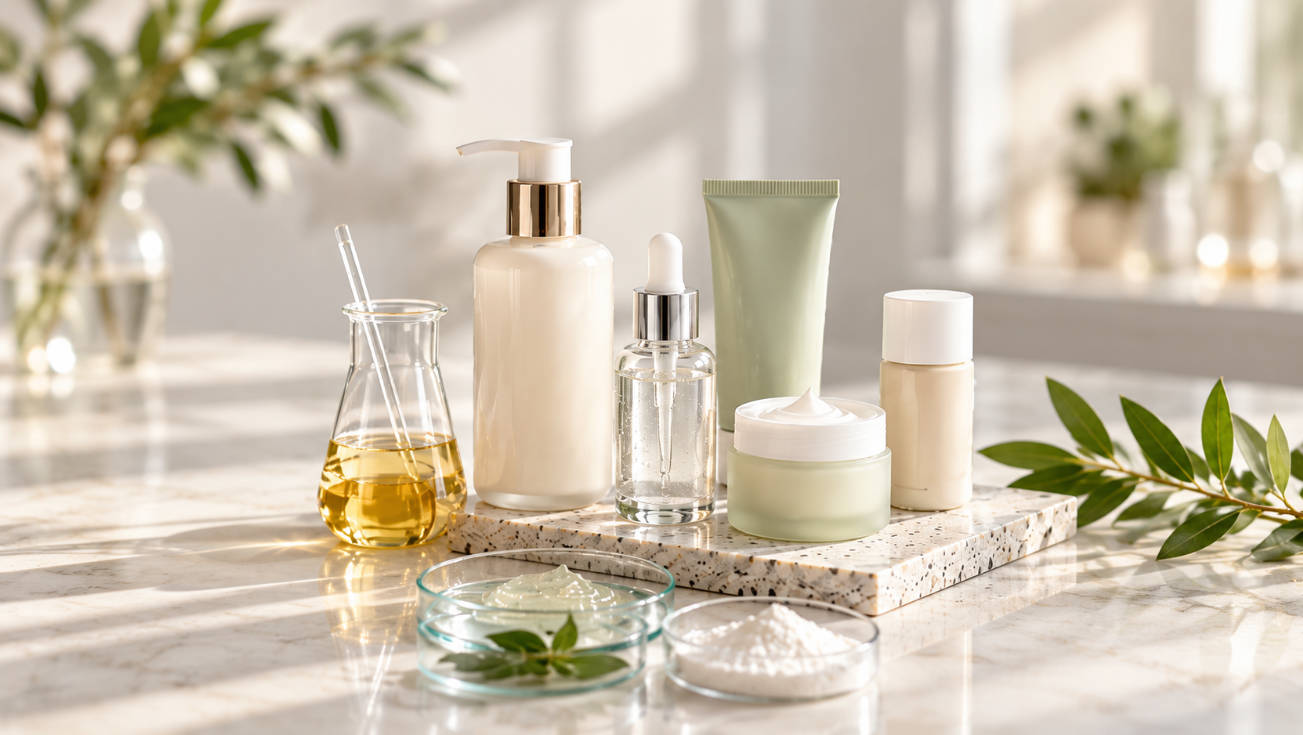
Understanding Private Label Skincare Manufacturing Costs
Typical Cost Structure of Private Label Skincare Products
The Main Factors That Affect Private Label Skincare Cost
1. Product Type Influences Manufacturing Cost
2. Formula Customization Level Changes the Budget
Ready Private Label
Modified Formula
Custom Formulation
3. Ingredient Selection Affects Skincare Production Cost
4. Packaging Can Significantly Influence Total Investment
5. MOQ Influences Skincare Manufacturing Cost
6. Product Testing and Quality Requirements
Private Label vs Custom Skincare Manufacturing Cost Comparison
How Brands Should Build a Skincare Manufacturing Budget
Product Planning
Formula Direction
Packaging Direction
Production Planning
Common Mistakes When Estimating Skincare Manufacturing Cost
Only Comparing Unit Prices
Requesting Full Customization Without a Clear Budget
Ignoring Packaging Costs
Ordering Too Much Before Market Validation
Choosing Suppliers Based Only on Price
Questions to Ask a Skincare Manufacturer About Cost
How to Reduce Private Label Skincare Manufacturing Costs
Start with Fewer Products
Use Standard Packaging First
Choose Customization Carefully
Plan Future Expansion
Choosing the Right Skincare Manufacturing Partner
Why Cost Should Be Evaluated Together With Long-Term Strategy
Conclusion
FAQ
How much does private label skincare manufacturing cost?
What factors affect private label skincare cost the most?
Is private label skincare cheaper than custom formulation?
How much does it cost to manufacture skincare products for a startup?
Does packaging increase cosmetic manufacturing costs?
How can brands reduce skincare OEM costs?
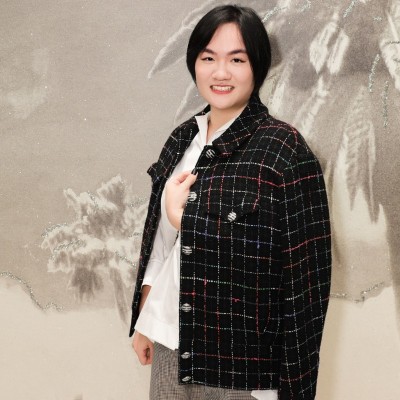
With over 10 years of experience in the beauty and personal care industry, Ying Hong has supported 200+ brands and 6,000+ product developments. Her expertise spans custom formulation, regulatory compliance, and OEM/ODM manufacturing. She shares practical insights to help beauty brands navigate product development and manufacturing.

 English
 Français
 Русский язык
 español


