
 lyang_huang@gadetin.com.cn
gadetin@gadetin.com.cn
 +86 136 7623 8313
 +86 153 3806 1804
 09:00 - 18:00
 No.2 Zhenglong 1st street, Dawang National Hi-tech Developmet Zone, Zhaoqing City, Guangdong, China
Launching a new cosmetics line does not necessarily mean building a factory. Many emerging brands partner with top label skincare manufacturers for formulas, production, and packaging. However, choosing the right partner involves more than browsing a product catalog. Minimum order quantities, capabilities, certifications, and customization options vary, so the best fit depends on your product range, budget, and launch plans.
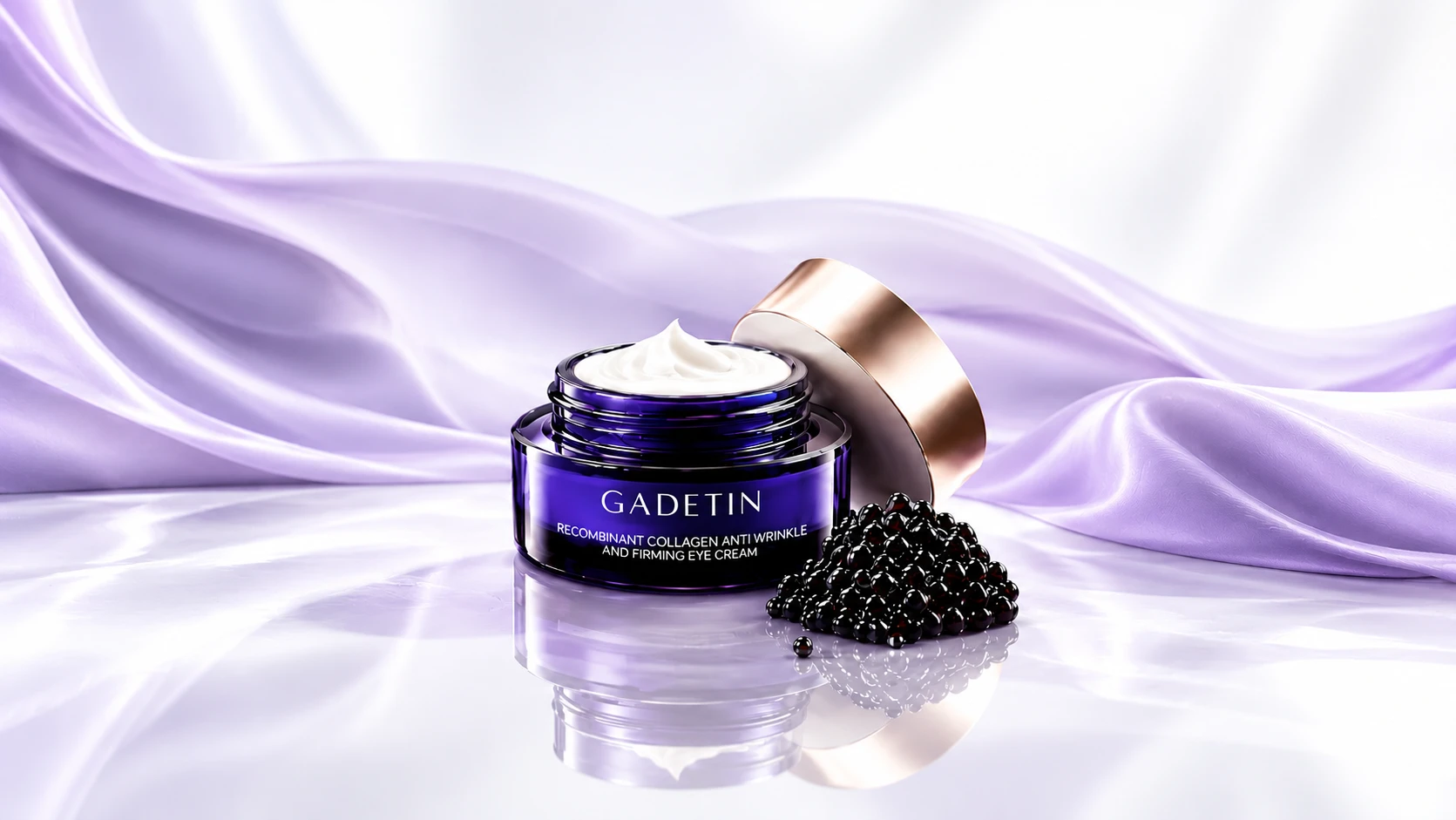
This guide compares ten private label skincare manufacturers by manufacturing model, product categories, core capabilities, reported MOQ, and certifications. The table below summarizes the key differences to help you shortlist potential partners, followed by detailed profiles for each company. If you want to see what a finished product looks like before you start comparing, explore Gadetin Group's product range first.
Quick Comparison and Screening Table
To read the table: PL means private label, WL means white label, CM means contract manufacturing, OEM means the manufacturer produces a formula you provide, and ODM means the manufacturer develops a formula to your specifications. If a specific MOQ is not publicly listed, it is typically quoted based on the formula and packaging requirements.
| Manufacturer | Types | Product Categories | Main Strengths & Capabilities | Reported MOQ | Best For | Certifications |
|---|---|---|---|---|---|---|
| Gadetin Group Zhaoqing, China | PL / OEM / ODM | Skin care, hair care, body care, baby care, men's care | One-stop manufacturing; 100,000 sqm facility; 30 automated lines; integrated R&D and packaging | 10,000 units/product (flexible batch plans available) | Brands seeking one OEM/ODM partner across multiple categories | ISO 22716, GMPC, BSCI |
| Dynamic Blending Vineyard, Utah, USA | CM / ODM / Turnkey | Skin care, hair care, body care, oral care, cosmetics | Turnkey development and fulfillment; in-house R&D and QC lab; packaging and label design | 1,000 to 2,500 units | Emerging and indie brands needing a turnkey partner | ISO 22716 |
| Classic Cosmetics Chatsworth, California, USA | PL / CM / Turnkey | Color cosmetics, skin care | 100,000 sq ft facility; in-house liquid and powder labs; custom molds and tooling | Mid-volume (numeric minimum provided upon quote) | Brands wanting U.S.-made turnkey color cosmetics and skincare | ISO 22716; FDA-licensed facility |
| Medpak Solutions St. Petersburg, Florida, USA | PL / Custom | Body scrubs, lotions, soaps, self-tanners, serums, creams | Library of 2,000+ formulas; sample creation; e-commerce integration; USDA Organic facility | Mid-volume (numeric minimum provided upon quote) | Body care and skincare brands wanting a wide formula library | USDA Organic facility |
| Pravada Private Label Fort Myers, Florida, USA | PL / Semi-Custom / Custom | Skin care, hair care, bath and body | 42,000 sq ft facility; wide range of ready formulas; packaging design and branding support | 50 (stock) / 250 (customer packaging) / 2,500 (custom) | Clean beauty brands wanting semi-custom formulas | ISO 22716 GMP; FDA-registered |
| Trilogy Laboratories Fort Myers, Florida, USA | PL / Custom / Small-batch | Anti-aging, acne, sensitive skin, sun care, mineral makeup | Pharmaceutical-inspired formulation; small-batch production; packaging and graphic design | Mid-volume (numeric minimum provided upon quote) | Physician practices, med spas, and medical-grade brands | FDA-registered facility |
| GAR Labs Riverside, California, USA | PL / OEM / Custom / Filling | Hair care, skin care | In-house chemists and lab; large-scale capacity; volume pricing; free samples | 5,000 units/product | Mid-size brands producing hair care and skincare at volume | FDA-registered; ISO-certified |
| RainShadow Labs St. Helens, Oregon, USA | PL / Custom / Contract Filling | Face masks, serums, moisturizers, exfoliators, body care, hair care | Large catalog of stock formulas; library of organic actives; packaging procurement | 10 gal (stock) / 25 gal (custom) | Natural and clean beauty brands launching a skincare line | FDA-registered; ISO 22716; GMP |
| Nutrix USA Salt Lake City, Utah, USA | PL / OEM / Custom | Skin care, hair care, personal care | Turnkey service under one roof; custom formulation; packaging and design | Small runs available (numeric minimum provided upon quote) | Brands wanting a single partner for skin, hair, and body care | FDA-registered; NSF ISO-certified |
| Induction Therapies Louisville, Kentucky, USA | PL / Medical-grade | Cleansers, serums, moisturizers, toners, masks, treatments | Very low MOQ; fast turnaround; professional-grade formulas; MoCRA compliance assistance | 12 units/product | Aesthetic practices, med spas, and dermatology brands | FDA-inspected facility |
* MOQ figures may apply to different order models (e.g., stock vs. custom) and are not always directly comparable. Packaging components often have separate minimums. Lead times and specific compliance support (such as MoCRA) vary by project and should be confirmed directly with the manufacturer during the quoting process.
Manufacturing Models and MOQ Trade-offs
Private label skincare is a product you sell under your own brand, made by a manufacturer that handles formulation, production, and packaging. The model behind an MOQ matters as much as the number itself: a small minimum may use a stock formula and standard components, while a larger minimum may cover custom development, testing, or dedicated packaging.
| Model | How It Works | Typical Trade-off | Best For |
|---|---|---|---|
| Private label | Choose an existing formula and add your own brand, packaging, and labels | Usually faster than a new formulation, but the formula and active system may be less distinctive | Brands that want to launch quickly with a proven formula |
| White label | Buy a stock product that may also be sold to other brands, with minimal changes | Can offer a low entry point when standard components are used, but gives you the least control over formulation and differentiation | Sellers testing demand or prioritizing speed and low upfront risk |
| Custom formulation (ODM) | The manufacturer develops a new formula to your specifications | Usually requires more development time, testing, and working capital, but gives you more control over the product | Brands that need a distinctive product or a specific active system |
| Contract manufacturing (OEM) | The manufacturer produces a formula you provide | MOQ and testing requirements depend on the formula, process, packaging, and ownership terms | Brands that already have their own formula |
A 12-unit minimum and a 2,500-unit minimum should not be treated as points on one simple scale. The first may be tied to a ready-to-label product, while the second may apply to custom formulation or packaging; confirm the model before comparing price or control. The effective order minimum may be set by whichever component has the highest minimum quantity—the formula, filling process, bottles or pumps, printed labels, or cartons—while testing can add time and cost.
Stability, Compatibility, and Packaging Checks
For active-led skincare, ask how the manufacturer protects sensitive ingredients such as vitamin C or retinol through formulation, filling, and storage. Request product-specific stability data for the proposed formula and final package, not only a generic certificate of analysis. The records should support the intended shelf life and, where relevant, show that the active remains within the agreed specification over time.
Packaging is part of the formulation decision. Ask how the formula was evaluated with the proposed bottle, jar, tube, pump, or airless package, including light, oxygen, and material compatibility. If a manufacturer recommends a clear, wide-mouth package for a light-sensitive or oxidation-sensitive active without explaining the protection strategy, treat that as a warning sign. Also ask whether the packaging supplier has a separate minimum quantity or a longer lead time than the bulk product.
Many of these records are not published on manufacturer websites. Stability reports, packaging-compatibility studies, and preservative-effectiveness data are usually project-specific and shared under a quote or NDA. Ask each shortlisted manufacturer what it can provide for your specific formula and package before you compare price.
How We Evaluated the Manufacturers
Each manufacturer was assessed on the following criteria.
Manufacturing model: Whether the company offers private label, white label, contract manufacturing, custom development, or a combination of these models.
Capabilities and formats: Formula development, R&D, testing, filling, packaging, fulfillment, and any product or package formats the company publicly identifies.
MOQ and lead time: Minimum order quantities and turnaround times, as published or stated by the manufacturer, with the applicable order model identified where possible.
Testing and compatibility: Whether the manufacturer can provide relevant stability, microbiological, and packaging-compatibility data for the proposed formula and final package.
Certifications and registration: Relevant GMP and quality-management credentials, and the regulatory documentation needed for the intended market. A listed certification or registration should be verified with the issuing body or regulator where possible.
Production capacity: Facility size, number of production lines, and output.
Market focus and compliance support: The categories and markets each manufacturer serves, plus any published support for U.S. MoCRA obligations.
Company Profiles
Gadetin Group (Zhaoqing, Guangdong, China)
Gadetin Group is a one-stop OEM/ODM manufacturer of skin care and personal care products, founded in 1994 in Zhaoqing, Guangdong, China. The company operates a 100,000 sqm GMPC facility equipped with 30 automated production lines and a daily capacity of 800,000 units. Its certifications include ISO 22716, GMPC, and BSCI, and its products span nine categories, including skin care, hair care, baby care, men's care, and household care.
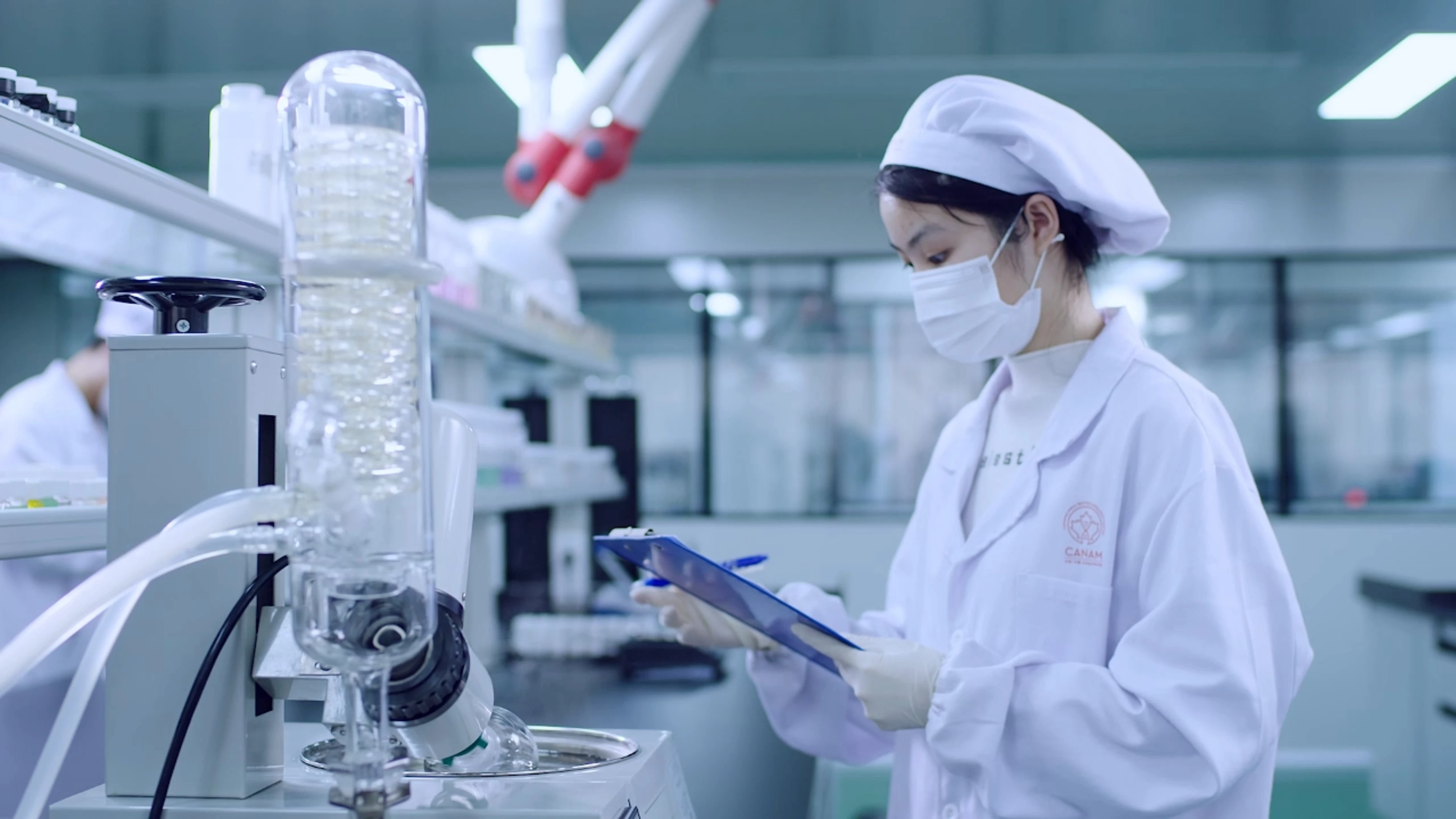
The company offers formula library selection, custom R&D, packaging, testing, and warehousing. Its strengths include large-scale production capacity, a broad formula library, and integrated services from formula to finished product. Brands selling in the United States or the EU should confirm the documentation and registrations required for their target market before ordering. The standard MOQ is 10,000 units per product. For brands planning to develop multiple products or for emerging brands, Gadetin can discuss more flexible production arrangements, such as sharing packaging components across product lines or using batch production. Based on each client's product requirements and launch schedule, the team can help develop an efficient, practical production plan. Sample lead time is typically 3–7 days. It is best for brands seeking one partner across multiple categories.
To learn more, see Gadetin's private label services, custom formulation services, and skin care product range.
Dynamic Blending (Vineyard, Utah, USA)
Dynamic Blending is a turnkey contract manufacturer of cosmetics, skin care, hair care, oral care, and personal care based in Vineyard, Utah, USA. The company holds ISO 22716 certification and provides formula development, an in-house R&D and quality control lab, manufacturing, packaging, label design, marketing support, and fulfillment.
Its main strengths are turnkey services from formula development through fulfillment and an in-house R&D and quality-control lab. It is best for emerging and indie brands seeking a turnkey partner.
Classic Cosmetics (Chatsworth, California, USA)
Classic Cosmetics is a contract and private label manufacturer of cosmetics and skin care founded in 1988 and based in Chatsworth, California, USA. The company operates a Southern California facility of more than 100,000 square feet that is FDA-licensed, and it holds ISO 22716 certification. Its product categories include color cosmetics and skin care.
The company provides turnkey services, in-house liquid and powder laboratories, and custom tooling. Its strengths include a long track record, U.S.-based production, and turnkey support, including custom molds and dies. Its strength in color cosmetics means skin care-only brands should confirm that the team's specialty fits their line. It is best for brands that want U.S.-made production with turnkey support.
Medpak Solutions (St. Petersburg, Florida, USA)
Medpak Solutions is a private label cosmetics and skincare manufacturer with a large formula library, based in St. Petersburg, Florida, USA. With more than 30 years of experience, the company operates a USDA Organic facility with a capacity of 13,000 units per shift. Its product categories include body scrubs, lotions, soaps, self-tanners, serums, and creams.
The company offers custom solutions, sample creation, multiple packaging options, and e-commerce platform integration. Its strengths include access to more than 2,000 formulas and a broad range of product types. Much of the public information comes from the company's own content, so verify certifications and capacity before ordering. It is best for body care and skincare brands wanting a wide formula library.
Pravada Private Label (Fort Myers, Florida, USA)
Pravada Private Label is a manufacturer of private label skincare, hair care, and bath and body products based in Fort Myers, Florida, USA. The company operates a facility of more than 42,000 square feet that is ISO 22716 GMP-certified and FDA-registered, and it holds ISO 22716 GMP certification. Its product categories include skin care, hair care, and bath and body.
The company provides private label and semi-custom formulas, packaging design, and branding support. Its strengths include ISO 22716 certification and a wide range of ready formulas for clean beauty lines. The lead time for new private label orders is typically 6–8 weeks. It is best for clean beauty brands and businesses that want semi-custom formulas.
Trilogy Laboratories (Fort Myers, Florida, USA)
Trilogy Laboratories is an FDA-registered cosmetic manufacturer of physician-led and medical-grade skincare products, founded in 2014 and based in Fort Myers, Florida, USA. Its cosmetic manufacturing facility is FDA-registered, and its product categories include anti-aging, acne, sensitive skin, sun care, and mineral makeup.
The company offers private label, custom formulation, and small-batch production, as well as packaging and graphic design support. Its strengths include a pharmaceutical formulation background and customizable formulas for small batches. The FDA issued a warning letter to the company after an August 2019 inspection, citing CGMP violations, so confirm the facility's current compliance status before ordering. It is best for physician practices, med spas, and skincare brands that want medical-grade formulas.
GAR Labs (Riverside, California, USA)
GAR Labs is a custom private label hair care and skin care contract manufacturer with more than 40 years of experience, based in Riverside, California, USA. The company operates a Riverside facility with in-house chemists and an on-site laboratory, and it holds FDA registration and ISO certification. Its product categories include hair care and skin care.
The company provides private label manufacturing, custom formulation, and filling, and offers free samples and quotes. Its strengths include large-scale capacity and volume pricing for mid-size brands, making it best suited to brands and retailers producing hair care and skin care at volume.
RainShadow Labs (St. Helens, Oregon, USA)
RainShadow Labs is a natural and organic private label skincare manufacturer founded in 1983 and based in St. Helens, Oregon, USA. The company holds FDA registration, ISO certification, and GMP certification (ISO 22716:2007). Its product categories include face masks, serums, moisturizers, exfoliators, body care, and hair care.
The company offers private label, custom development, buy-direct formulas, contract filling, packaging procurement, and warehousing. Its strengths include a large catalog of stock formulas and a library of organic actives. Stock formulas are pre-formulated, so differentiation comes mainly from packaging, fragrance, and label choices. It is best for natural and clean beauty brands launching a skincare line.
Nutrix USA (Salt Lake City, Utah, USA)
Nutrix USA is a contract manufacturer of skin care, hair care, and personal care products based in Salt Lake City, Utah, USA. The company holds FDA registration and NSF ISO certification. Its product categories include skin care, hair care, and personal care.
The company offers custom formulation, private label formulas, design, and packaging. Its strengths include turnkey service covering formulation, production, packaging, and design under one roof. Its broad range of categories means you should confirm that its skin care capacity matches your volume needs. It is best for brands that want a single partner for skin care, hair care, and body care.
Induction Therapies (Louisville, Kentucky, USA)
Induction Therapies is a manufacturer of medical-grade skincare formulations and private label products, founded in 2014 and based in Louisville, Kentucky, USA. The company operates an FDA-inspected manufacturing facility and offers cleansers, serums, moisturizers, toners, masks, and treatment products.
The company offers formula selection, label and packaging design, fulfillment, and MoCRA compliance assistance. Its strengths include fast turnaround and professional-grade formulas for clinical use. The MOQ is 12 units per product, with a lead time of about 10 business days after design approval. Its focus on medical and aesthetic products suits clinical brands more than mass-market lines, and it is best for aesthetic practices, med spas, and dermatology brands launching a skincare line.
How to Choose a Private Label Skincare Manufacturer
Match the manufacturer to your market. For U.S. sales, confirm who handles applicable MoCRA requirements; FDA facility registration is not FDA approval of the facility or its products. For EU sales, request GMP and product documentation and clarify who handles the Product Information File (PIF), CPNP notification, EU Responsible Person, and claim substantiation.
Consider your brand stage. Startups usually need low MOQs and fast sampling. Established brands tend to prioritize capacity, consistency, and documented quality systems. If you are just starting out, a private label program is often the most practical entry point.
Decide how much customization you need. Using an existing formula with your own branding (private label) is the fastest route. A new formula developed for your brand (custom R&D or ODM) takes longer.
Check the full order minimum. Confirm whether the MOQ applies per SKU, formula, fragrance, color, or package component; whether it changes for custom development; and whether bottles, pumps, labels, or cartons have separate minimums. Also confirm whether the manufacturer supports dropshipping.
Review product-specific testing. Ask for relevant stability, packaging-compatibility, and microbiological or preservative-effectiveness records for the proposed formula and final package, especially for sensitive actives such as vitamin C or retinol. Ask how the manufacturer stabilizes those actives; a vague answer or a package recommendation that ignores light and oxygen should prompt further review.
Verify documents. Request certificate numbers, issuing bodies, scope, validity dates, test reports, and facility registration details. Verify certificates with the issuing body where possible, and get the manufacturer's compliance responsibilities in writing.
Prepare a clear quote brief. Include the product type, formula model, package format, target market, planned launch date, and expected volume so each manufacturer can quote the same scope.
Get quotes in writing. MOQ, lead time, and packaging costs should appear in a written quotation.
Frequently Asked Questions
How does MoCRA affect a private label skincare brand?
The Modernization of Cosmetics Regulation Act (MoCRA) requires every facility that manufactures cosmetics for U.S. distribution to register with the FDA, and requires each cosmetic product to be listed. Your private label skincare manufacturer usually handles facility registration. As the brand whose name appears on the label, however, you are the "responsible person," which means you are responsible for product listing, safety substantiation, labeling, and reporting serious adverse events to the FDA within 15 business days. The label must include a U.S.-based contact for the responsible person. Before signing, get a written list of which MoCRA obligations the manufacturer covers and which ones remain with your brand.
What is a realistic budget to launch a private label skincare line?
Costs vary widely depending on three factors: whether you use an existing formula or a custom one, your packaging choices, and the minimum order quantity. Industry estimates for a first production run range from roughly $1,000 to $15,000, with custom development and specialized testing pushing the cost higher. Ask each private label skincare manufacturer for per-unit pricing at several volume tiers, and confirm whether stability testing and label proofing are included or billed separately. For a quick overview of starting options, see Gadetin's private label services.
How do I protect my custom skincare formula?
Sign a non-disclosure agreement (NDA) before sharing formula details, and a manufacturing agreement before paying for custom development. The agreement should state who owns the custom formulation and whether the manufacturer may produce the same formulation for other brands. Formulas are usually protected as trade secrets and through contracts rather than patents, so the contract language matters. Have a lawyer review it before you sign.
Should I choose a U.S. manufacturer or an overseas manufacturer?
U.S. manufacturers typically offer faster shipping, easier communication, and the option to use "Made in USA" marketing, though they often have higher minimum orders and production costs. Overseas manufacturers, including those in China, typically offer lower unit costs and large-scale capacity, but require longer lead times that include ocean freight and more rigorous quality verification. Import duties vary by product and change over time, so confirm current rates with a customs broker. Also note that "Made in USA" claims must meet FTC standards, so check your eligibility before using them.
Can my private label skincare manufacturer source packaging for me?
Many full-service manufacturers offer packaging sourcing and decoration, such as screen printing and labeling. Sourcing packaging through the manufacturer lets them confirm that your formula is compatible with the exact packaging components and simplifies logistics. If you already work with a dedicated packaging supplier, sourcing it yourself may give you more design flexibility, but you will need to arrange compatibility testing.
How long does private label skincare production take?
Lead time depends on whether you use a stock or custom formula, whether new packaging molds are needed, and what stability testing is required. Ask each manufacturer for a written timeline with milestones, including artwork approval, production, testing, and shipping. Allow extra time for ocean freight if you work with an overseas facility, and for quality control inspections before shipment.
Are there new FDA requirements coming for cosmetic manufacturers in 2026?
Yes. MoCRA requires the FDA to establish Good Manufacturing Practice (GMP) rules for facilities that make cosmetics by December 29, 2026. Ask your private label skincare manufacturer whether they are preparing for these rules and how they will document compliance.
 English
 Français
 Русский язык
 español


