Please don't hesitate to reach out to us whenever you need assistanco. Well make sure to respond to you promptly.
 lyang_huang@gadetin.com.cn
gadetin@gadetin.com.cn
lyang_huang@gadetin.com.cn
gadetin@gadetin.com.cn +86 136 7623 8313
 +86 153 3806 1804
 09:00 - 18:00
 No.2 Zhenglong 1st street, Dawang National Hi-tech Developmet Zone, Zhaoqing City, Guangdong, China
Private label skincare in 2026 is being reshaped by ingredient science and buyer demand for proof, not claims. The strongest B2B order growth is in barrier-repair, microbiome-friendly and waterless formats — products that justify a premium and survive a price war because the story is backed by the formula.
Below are the 20 trends reshaping private label skincare orders this year, each with the formula angle, the premium it supports and the compliance to watch. Pair this list with our high-margin product shortlist and the private label hub, then ask us for a formula quote.

1. Quick-Check Table: 20 Trends at a Glance
2. Barrier-Repair and Ceramides
3. Microbiome-Friendly Claims
4. Retinol Alternatives (Bakuchiol)
5. Peptide Stacks
6. Clean Beauty Without Greenwashing
7. Waterless and Solid Formats
8. Refillable Systems
9. Blue-Light Protection
10. Post-Procedure and Derm-Grade
11. Melatonin and Sleep Skincare
12. Vegan and Cruelty-Free as Table Stakes
13. Sensitive-Skin Minimalism
14. SPF Hybrids
15. Gender-Neutral Lines
16. K-Beauty "Glass Skin"
17. Adaptogens
18. Exosome and Stem-Cell Buzz
19. Hyperpigmentation Focus
20. Sustainable, Palm-Free Bases
21. Personalized / Direct-to-Formula
22. Frequently Asked Questions
Before the detail, here is the whole list on one page. Scan it, then read any section you need. Every row maps to a full section below with the good answer and the red flag to watch for.
# | Trend | Premium driver | Compliance note |
1 | Barrier-repair & ceramides | Named ceramides on the label | Emulsion stability matters most |
2 | Microbiome-friendly | Microbiome position in a crowded aisle | Mild preservative; soft claims |
3 | Retinol alternatives (bakuchiol) | Retinol results without irritation | Stabilize; no drug claim |
4 | Peptide stacks | Named peptide stack justifies serum price | Watch peptide % and stability |
5 | Clean without greenwashing | Transparent "why" behind each ingredient | Still needs a working preservative |
6 | Waterless & solid formats | Eco + concentrate, low freight | User experience must work |
7 | Refillable systems | Higher first-jar price, loyal refills | Refill must fit the original jar |
8 | Blue-light protection | Relatable "screen aging" concern | Environmental, not medical claims |
9 | Post-procedure / derm-grade | Med-spa crossover buyer | Gentle, fragrance-free; no derm claim |
10 | Melatonin / sleep skincare | Wellness night routine | Claim-sensitive in some markets |
11 | Vegan & cruelty-free | EU/US shelf eligibility | Real, current certificate required |
12 | Sensitive-skin minimalism | "Safe for reactive skin" trust | Don't under-preserve |
13 | SPF hybrids | Owns the morning step, strong repeat | SPF testing required (cert-heavy) |
14 | Gender-neutral lines | Fewer SKUs, lower launch cost | Formula must suit all skin |
15 | K-Beauty glass skin | Multi-step routine lifts basket | Essence texture must feel right |
16 | Adaptogens | Wellness story that stands out | Soft claims only |
17 | Exosome / stem-cell | Frontier positioning for premium | Claim gray zone; confirm per market |
18 | Hyperpigmentation focus | High-intent global search demand | Vitamin C stability is key |
19 | Sustainable palm-free | EU eco-channel differentiation | RSPO must be documented |
20 | Personalized / direct-to-formula | Highest willingness to pay | Small-batch cost; pilot first |
The "skin barrier" story moved from niche to default. Buyers want ceramide blends, cholesterol and fatty acids in moisturizers and cleansers that promise repair, not just hydration — because barrier health is now the entry claim for sensitive and aging skin alike. The formula is approachable (lipid ratios are well known) and the premium is easy to justify with an INCI that names the ceramides. This is the safest trend to build a hero around in 2026.
· Premium driver: named ceramides (NP, AP, EOP) on the label.
· Watch: stability of the lipid mix; a good emulsion matters more than the claim.
Prebiotics and postbiotics are now a selling point, not a lab curiosity. Brands ask for formulas that "support the skin's good bacteria" with mild preservative systems that don't wipe the microbiome. The science sells especially well in EU and APAC clean-beauty channels, and the angle differentiates without a drug claim. Keep the wording soft ("supports" not "treats") to stay compliant.
· Premium driver: a "microbiome-friendly" position in a crowded moisturizer aisle.
· Watch: preservative choice — harsh systems contradict the claim.
Brand owners want retinol results without irritation or pregnancy warnings. Bakuchiol and encapsulated retinoids lead the "gentle but effective" pitch, widening the audience to sensitive skin and expanding the usage window to mornings. Encapsulation also solves retinol's stability and odor problems, which makes the formula more shippable. This is a high-intent, high-margin corner of the anti-aging shelf.
· Premium driver: "retinol results, no irritation" opens a bigger buyer pool.
· Watch: stabilization and clear usage claims; avoid "anti-wrinkle drug" wording.
Signal peptides (matrixyl-type) appear in serums and eye creams as the "no-injection" anti-aging angle. Stacking two or three peptides is the 2026 differentiator because the blend reads as engineered, not generic. Peptides command a top-tier price and a clean story for brands that can't make drug claims. The cost rises with the peptide grade, so pick the few that show.
· Premium driver: a named peptide stack justifies serum-tier pricing.
· Watch: peptide percentage and stability; cheap peptides don't survive the formula.
"Clean" alone no longer sells. Buyers want specifics — EWG-aligned, non-toxic, transparent preservative choice — proof, not a buzzword. The trend pushes formulators toward shorter, defensible ingredient lists and away from flagged preservatives, which actually improves the product. Brands that can show the rationale (why this preservative, why this emulsifier) win trust and repeat orders.
· Premium driver: a transparent "why" behind every ingredient.
· Watch: "clean" still needs a preservative that works — don't trade safety for the label.
Shampoo bars started it; now solid serums, balms and powder-to-mix masks cut freight weight and plastic. Lower CO2 also means lower cost to ship and a genuine eco story that buyers pay for. Waterless concentrates also let you ship a "salon-size" experience in a tiny, cheap brick. The format is a margin and a marketing win at once.
· Premium driver: eco + concentrate story, low freight per unit.
· Watch: user experience — solids must melt and feel right, or they get returned.
Premium private label lines ask for refill pods or pouches that fit a branded outer jar. It extends the relationship (and the margin) because the second purchase is cheaper to make and the customer stays in the loop. Refill systems also read as premium and responsible, which supports a higher entry price on the first, full jar. Best for serums, creams and balms.
· Premium driver: higher first-jar price, loyal repeat refills.
· Watch: the refill must fit the original jar exactly or the system fails in use.
Screens are the new UV. Ingredients like lutein or antioxidants pitched at "digital aging" are climbing in briefs, especially for urban, office-based buyers. The claim is preventive and lifestyle-led, which makes it easy to merchandise without a drug angle. Pair it with a daytime serum or moisturizer and the story writes itself.
· Premium driver: a modern, relatable "screen aging" concern.
· Watch: keep claims about environmental protection, not medical.
Gentle, fragrance-free lines "safe after clinic treatments" tap the med-spa crossover buyer willing to pay more. This trend rides the boom in at-home devices and in-clinic peels — buyers need a calm, minimal routine afterward. The formula is simple (few actives, high tolerance) but the positioning is premium and the channel is loyal.
· Premium driver: med-spa crossover justifies a higher ticket.
· Watch: "dermatologist" claims need care; keep to gentle, fragrance-free positioning.
Night creams with melatonin or night-time actives target the wellness buyer. The claim is recovery, not just moisture — skin "rests and repairs" while you sleep, which fits the circadian wellness narrative. The actives are mild and the format is a rich night cream, so the formula is forgiving and the shelf story is strong.
· Premium driver: wellness + routine, easy to bundle as a night step.
· Watch: melatonin claims are claim-sensitive in some markets — check labeling rules.
In EU and US channels this is mandatory, not a plus. Buyers screen out any formula without the certificate, so a vegan, cruelty-free base is the price of entry, not a differentiator. The trend matters because it shapes every other formula on this list — build vegan by default and you stay eligible for the biggest channels.
· Premium driver: eligibility for EU/US shelves, not a price premium alone.
· Watch: the certificate must be real and current, or EU/US retail rejects you.
Short ingredient lists (5–10 items) for "reactive skin" sell across ages. Fewer actives means more tolerance and an easier compliance path, and the "less is more" story resonates with overwhelmed buyers. Minimalism is also cheap to formulate and easy to premium-position as a "safe" choice. A strong base for a first brand.
· Premium driver: a "safe for reactive skin" trust position.
· Watch: short list still needs a preservative that holds — don't under-preserve.
Day creams with broad-spectrum SPF blur skincare and sun care. The hurdle is regulatory testing — budget for it — but the payoff is a hero that owns the morning routine. Hybrid SPF is high-intent and high-repeat, and it pairs naturally with barrier-repair and peptide trends. The compliance cost is real, so plan the files early (see our EU / US / Halal paths).
· Premium driver: owns the morning step, strong repurchase.
· Watch: SPF claims need validated testing — this is a cert-heavy trend.
Unisex branding and shared regimes reduce SKU count and simplify the range — efficient for new brands. The trend is as much about operations as identity: one hero serum instead of his-and-hers versions lowers MOQ and speeds launch. The merchandising is clean and the audience is broad.
· Premium driver: fewer SKUs, lower launch cost, broad appeal.
· Watch: the formula still has to suit all skin — keep it tolerant.
Hydration layering, essences and toner pads stay strong. Buyers want the dewy finish story, and the routine (essence → serum → cream) naturally builds basket size through multiple SKUs. K-Beauty formats like toner pads are also high-margin, low-fill-weight items that ship cheap.
· Premium driver: multi-step routine lifts basket size and margin.
· Watch: essence textures must feel right or the routine breaks.
Ashwagandha, reishi and similar "calm the skin" actives ride the stress-skin narrative. The story is lifestyle-led and easy to merchandise, and the actives are generally mild. Claim sensitivity is the only real constraint — keep to "supports a calmer-looking complexion," not medical language.
· Premium driver: a wellness story that stands out on shelf.
· Watch: adaptogen claims are claim-sensitive; soft wording only.
Still early and claim-sensitive, but briefs mentioning "exosome" are rising. The interest is real among advanced buyers; the risk is regulatory, because exosome claims sit in a gray zone in several markets. Handle claims carefully and lean on "advanced revitalizing" language rather than named mechanisms to avoid pushback. A trend to watch, not yet a safe mass hero.
· Premium driver: frontier positioning for premium channels.
· Watch: claim gray zone — confirm per market before you print.
Tranexamic acid, niacinamide and vitamin C combos target dark spots — a top search intent globally. The formula is well-trodden and the demand is evergreen across skin tones, which makes it a dependable hero. The trick is stable vitamin C and the right acid blend so the result shows without irritation.
· Premium driver: high-intent, global search demand.
· Watch: vitamin C stability is the make-or-break formulation point.
Buyers in Europe ask for RSPO or palm-free emulsifiers. It is a differentiator for eco channels and a compliance-adjacent plus for EU retail, where sourcing stories are scrutinized. Palm-free bases can cost a little more but support a premium, responsible position that certain buyers specifically search for.
· Premium driver: eco-channel differentiation in EU.
· Watch: RSPO or palm-free must be documented, not asserted.
The frontier: quiz-driven regimes where the factory holds modular bases and assembles per result. Not mass yet, but briefs are climbing because personalization commands the highest willingness to pay. The operational model (modular bases, small batches) is more complex, so it suits established brands ready to test a premium tier rather than a first launch.
· Premium driver: highest willingness to pay, flagship positioning.
· Watch: small-batch assembly raises unit cost — pilot before scaling.
Barrier-repair, peptide serums and waterless solids — they justify a premium and ship cheap. See our 30 high-margin products for the SKU map.
Most are, with proof. SPF and "exosome" claims need testing and careful wording — check EU / US / Halal compliance before you print.
White-label bases in days; a tailored private label formula in 4–8 weeks. Start from our private label hub.
Barrier-repair and simple serum bases on stock packaging — they skip custom molds and launch in 4–8 weeks.
Only if you add actives or SPF. A basic moisturizer rides existing files; retinol or sunscreen triggers extra testing. Check compliance.
Build the claim from your formula, not their copy. "5% niacinamide" is fine if you formulate it; "clinically proven" needs your own proof.
Ride the trend to enter, then convert winners into a hero with your shade and claim. Trends fade; a defensible hero compounds.
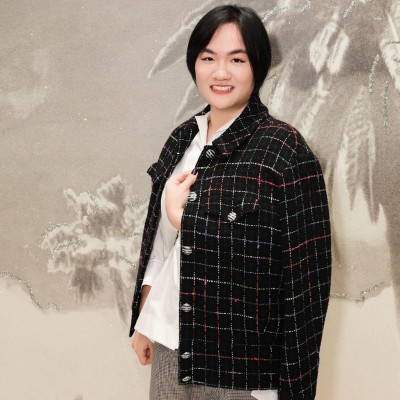
With over 10 years of experience in the beauty and personal care industry, Ying Hong has supported 200+ brands and 6,000+ product developments. Her expertise spans custom formulation, regulatory compliance, and OEM/ODM manufacturing. She shares practical insights to help beauty brands navigate product development and manufacturing.

 English
 Français
 Русский язык
 español


